
Web Development Tools for Appointment Setters to Book More Meetings
· 19 min read

Introduction
Have you ever felt like your technical skills are holding you back as an appointment setter? You know how to talk to people, handle objections, and book meetings. But when it comes to using the right tools to build credibility and save time, things get tricky.

You are not alone.
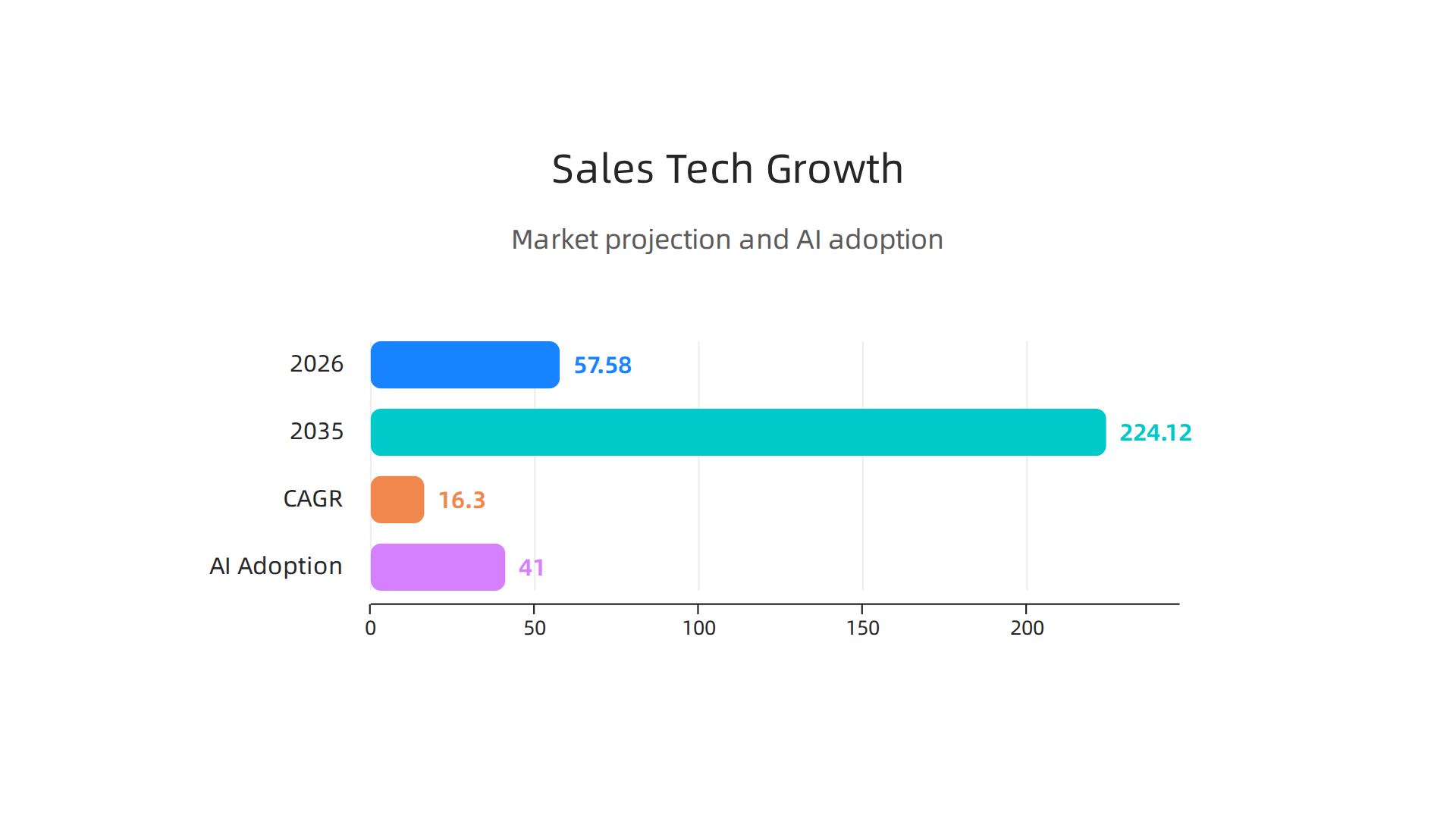
The sales world is changing fast in 2026. The sales tech market is now valued at USD 57.58 billion and is expected to grow to USD 224.12 billion by 2035. That is a 16.3% compound annual growth rate. Tools powered by AI are becoming normal. In fact, 41% of enterprise B2B teams already use at least one AI sales development representative in production.
The tools of web development are no longer just for programmers. They are becoming everyday tools for sales professionals like you.
Here is the thing. Most appointment setters do not have a strong technical toolkit. That makes it harder to find legitimate opportunities, automate repetitive tasks, and present yourself as a credible pro. Without a solid tool for web development, you might waste hours on manual work or miss out on jobs that require basic tech know-how.
This guide is built for beginners who want to change that. We will walk you through the essential web development tools that can help you streamline your workflow, impress employers, and book more meetings. You do not need to become a coder. You just need to know the right tools for web development and how they fit into your daily work.
By the end of this article, you will have a clear, practical roadmap to start using these tools today. Let us get started.
Why Web Development Tools Matter for Appointment Setters
So why should you care about web development tools as an appointment setter? The short answer is that these tools directly solve some of your biggest pain points. They help you build credibility, save time, and stand out from the competition.
Let me break it down.
You can build a professional online presence that attracts real opportunities. In 2026, buyers and employers expect to find you online. A simple personal website or a landing page for your services shows you are serious. You do not need to hire a designer. Tools like website builders let you create a clean, professional page in minutes. This instantly gives you an edge over appointment setters who only rely on a LinkedIn profile. When you can point a prospect to a custom landing page with your pitch, you look trustworthy. And trust leads to more booked meetings.

Custom landing pages and email automation directly improve your response times. Speed matters in sales. The faster you follow up with a lead, the more likely they are to respond. Web development tools let you automate email sequences, schedule follow-ups, and track who opens your messages. This means you stop doing the same manual work every day. Instead, you focus on talking to people who are actually interested. Sales automation statistics show that teams using automation see faster deal cycles and higher conversion rates. For an appointment setter, that translates directly into more meetings booked per week.
Overcoming the "tool and technology adoption" pain point starts with awareness of the right stack. Here is the thing: the sales tech market is now worth over USD 57 billion and is expected to grow to USD 224 billion by 2035. Artificial intelligence is already running 41% of enterprise outbound sales development. These numbers tell you one clear thing: the industry is moving fast, and the people who adopt tools early will win. Yet many appointment setters feel overwhelmed by technology. They do not know where to start. The trick is to focus on just a few essential tools. A basic landing page builder, an email automation platform, and a simple CRM are enough to transform your workflow.
The beauty of web development tools is that you do not need to become a programmer. You just need to know which tool does what and how it fits into your daily routine. Once you understand that, you stop feeling held back by technology.
In the next section, we will walk through the specific web development tools every appointment setter should learn in 2026. You will see exactly how each one can help you book more meetings and advance your career.
Tool #1: Website Builders & Landing Page Creators
Let’s start with the most practical tool you can pick up today: a website builder or landing page creator.
Think of it this way. When a prospect looks you up, what do they find? If all they see is a basic LinkedIn profile, you blend in. But if they land on a simple, clean personal page that explains exactly who you are and what you do, you immediately stand out. That is the power of having your own corner of the web.
And here is the best part. You do not need to know a single line of code to make it happen.
**Platforms like Carrd, WordPress, and Unbounce are built for people just like you.
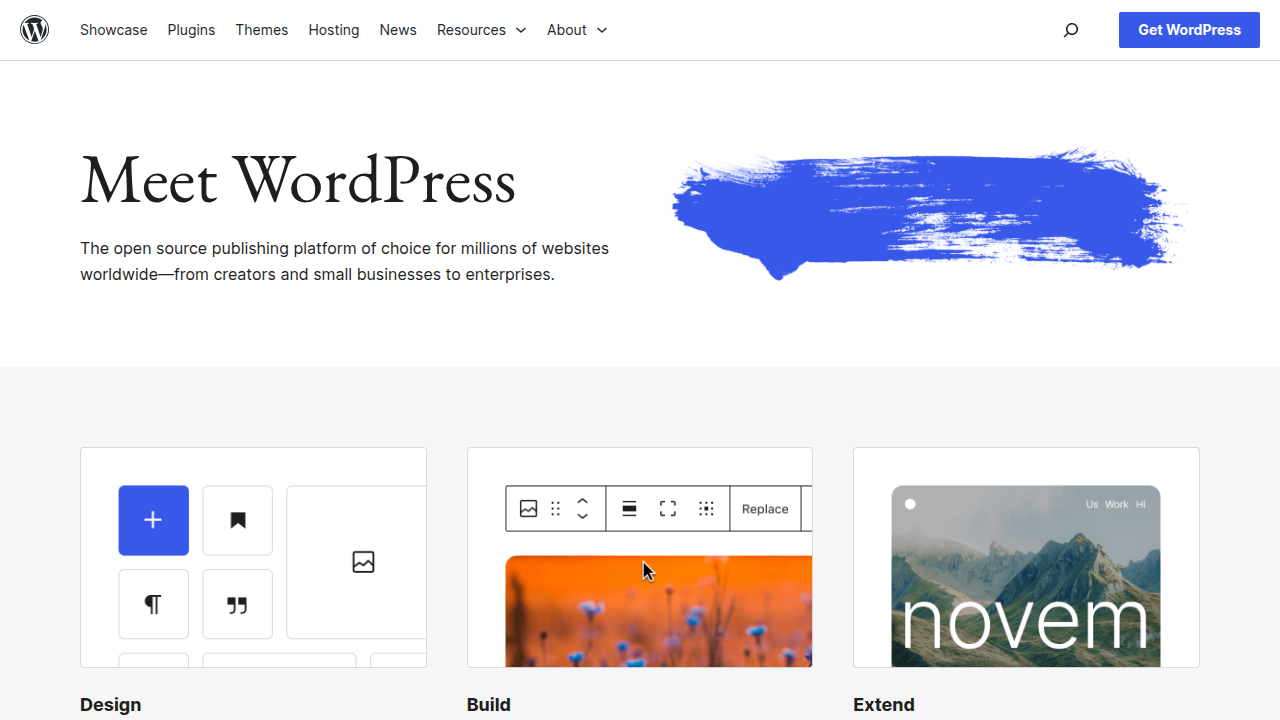
** They use drag and drop editors. You pick a template, add your photo, write a short bio, and link to your meeting scheduler. Done. You can have a professional page live in under an hour. According to Zapier, tools like Carrd, Kit, and Leadpages can get you to a complete landing page in just a few hours, even if you have zero technical experience.
WordPress alone powers 43.5% of all websites in 2026. That statistic from Elementor shows you just how accessible site building has become. If millions of people can create full websites with no coding, you can certainly build a simple landing page for your appointment setting services.
Why does this matter for booking meetings? Because a landing page acts as your digital handshake. When you send a prospect a link to a page that clearly states your value, lists your target industries, and includes a simple booking form, you remove all friction. They do not have to dig through your email or ask follow up questions. Everything they need is right there. That builds trust fast.
A well designed landing page also works as a lead magnet. You can add a short form where prospects enter their email to receive a free tip sheet or a consultation. Now you are capturing leads even when you are offline. This is how you turn a simple page into a 24/7 booking machine.
Here is a quick comparison of a few popular options for appointment setters in 2026:
| Platform | Best For | Key Feature |
|---|---|---|
| Carrd | Simple one-page sites | Super fast setup, low cost |
| WordPress + Elementor | Full control and scalability | 43.5% of all websites run on it |
| Unbounce | High-converting landing pages | Built-in A/B testing and AI tools |
| Leadpages | Lead capture and mobile calls | Excellent for local service pros |
Each of these platforms is a legitimate tool for web development. You can use them to create everything from a personal bio page to a full service website. The key is to start simple. Pick one platform, build a single page, and get it live.
Landing page builders specifically exist to help non-technical users deploy pages designed to drive visitors to a conversion goal. That goal for you is a booked meeting. G2’s reviews confirm that these tools are purpose built for exactly this kind of work.
If you want to see a detailed walkthrough of how these tools work, this video on the best landing page builders in 2026 gives you a practical look at setting one up.
The bottom line: You do not need to be a developer. You just need one page that tells your story and makes it easy for prospects to book time with you. That single page can transform how people perceive you and how many meetings you actually land. Start with a free plan from any of these builders. You will be surprised how quickly you see results.
Tool #2: CRM & Customer Management Systems
So you now have a landing page that tells your story. That is great. But what happens when people start filling out your form? That is where a CRM, or Customer Relationship Management system, becomes your best friend. Think of it as your command center for every lead.
Here is the problem most appointment setters face. You talk to ten people in a week. You save their names in a notebook or a spreadsheet. A few days later, you cannot remember who is who. You forget to follow up. Opportunities slip away. A CRM fixes all of that.
A CRM centralizes everything. Contact details, notes from calls, email history, and upcoming tasks all live in one place. You can see exactly where each lead is in your pipeline. And the best part? Many CRMs now include built in appointment scheduling. That means the meeting booking happens right inside the tool you already use to track leads.
How CRMs Make Appointment Setting Easier
When your landing page and CRM work together, magic happens. A prospect fills out your form. Their name and email automatically enter your CRM. You get a notification. You send a personalized follow up with one click. And if you have integrated a meeting scheduler, you can offer a time slot instantly.
This flow removes all manual data entry. According to Zapier, free CRM software like HubSpot, Zoho, and Pipedrive allow you to automate these steps without paying a dime.

For someone just starting out, that is huge.
Which CRM Should You Try First?
Several platforms offer generous free tiers that work well for individual appointment setters. Here is a quick look at a few popular options in 2026:
| CRM Platform | Best For | Free Tier Highlights |
|---|---|---|
| HubSpot | All-in-one marketing and sales | Unlimited contacts, meeting scheduler, email tracking |
| Zoho CRM | Automation and suite integrations | Up to 3 users free, lead management, workflow rules |
| Pipedrive | Deal focused pipeline view | Free trial, visual sales pipeline, activity reminders |
Zoho Bookings and Calendly are also often mentioned as top free scheduling apps. In fact, a 2026 comparison from Zoho puts its own Bookings and Calendly at the top for scheduling ease.
So why does this matter for you? Because a CRM is not just a database. It is a tool for web development of your entire sales process. It helps you build relationships at scale. When you follow up consistently and on time, you look professional. That trust leads to more booked meetings.
Do not overthink it. Pick one free CRM, connect it to your landing page, and start logging every conversation. That one step will transform how you manage your leads. And it costs you nothing.
If you want to see a side by side walkthrough of these tools, check out this video on the best meeting scheduler apps in 2026. It covers HubSpot Meeting Scheduler, Calendly, and more.
The bottom line: A CRM is an essential tool for web development of your appointment setting career. It saves you time, keeps you organized, and helps you close more meetings. Sign up for a free account today. You will wonder how you ever worked without it.
Tool #3: Email Automation & Drip Campaigns
You have a CRM full of leads now. That is a great first step. But here is the next challenge. You need to stay in touch with all those people. You cannot call or email each one by hand every day. That would take forever. And honestly, you would probably forget someone. That is where email automation and drip campaigns become your secret weapon.
Think of a drip campaign as a set of emails that send themselves. You write the emails once. Then you set up triggers. For example, someone fills out your landing page form. Three days later, they get a helpful tip from you. Seven days later, they get a case study. Fourteen days later, they get an invitation to book a call. All of this happens while you sleep.
How It Works
Platforms like Mailchimp, ConvertKit, and ActiveCampaign are built for this exact purpose.
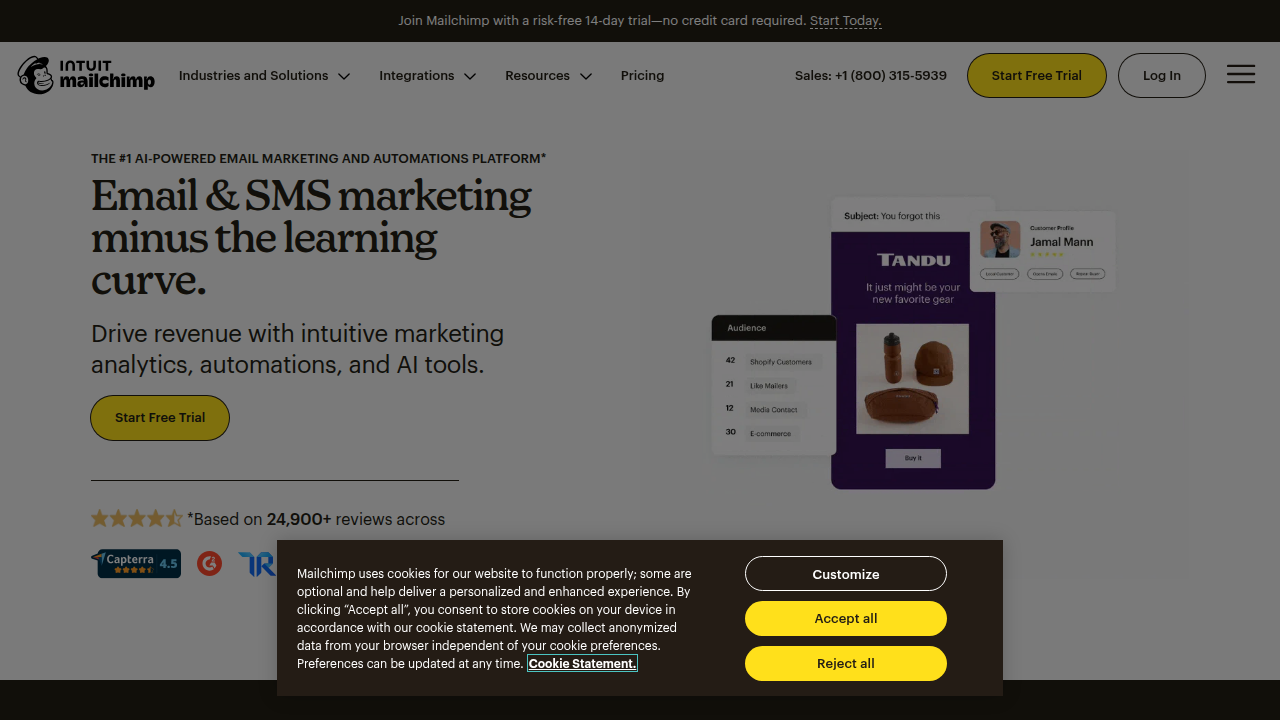
They are part of the essential web development tools that appointment setters use to scale their outreach. You create a sequence. You decide the timing. You write the content. Then the software does the work.
Why does this matter? Because your time is your most valuable resource. Automation nurtures your leads while you focus on high-priority calls. You can spend your energy talking to warm prospects instead of chasing cold ones. According to a 2026 guide from Cometly, many free scheduling tools now integrate with email platforms to create a seamless workflow from lead capture to meeting booking. That saves even more time.
Segmentation Makes It Even Better
Here is another piece of the puzzle. Not all leads are the same. Some are ready to buy today. Others need more education. Segmentation lets you group your leads based on their behavior.
For instance, you can create one group for people who opened every email. Send them a direct booking link. Create another group for people who never opened. Send them a different message with a stronger subject line. This personalization boosts your open rates and booking conversions.
A/B testing adds to the power. You can test two subject lines at the same time. See which one gets more opens. Then use the winner for the rest of your list. Over time, these small improvements add up to more booked meetings.
A Simple Way to Start
You do not need a complex setup. Pick one platform with a free plan. Mailchimp offers a generous free tier that works for most beginners. Connect it to your CRM. Then build a simple three-email sequence.
Here is a quick idea for a sequence:
- Email 1 (Day 1): Thank the lead and share a valuable tip
- Email 2 (Day 4): Share a short success story
- Email 3 (Day 8): Offer a free consultation call with a booking link
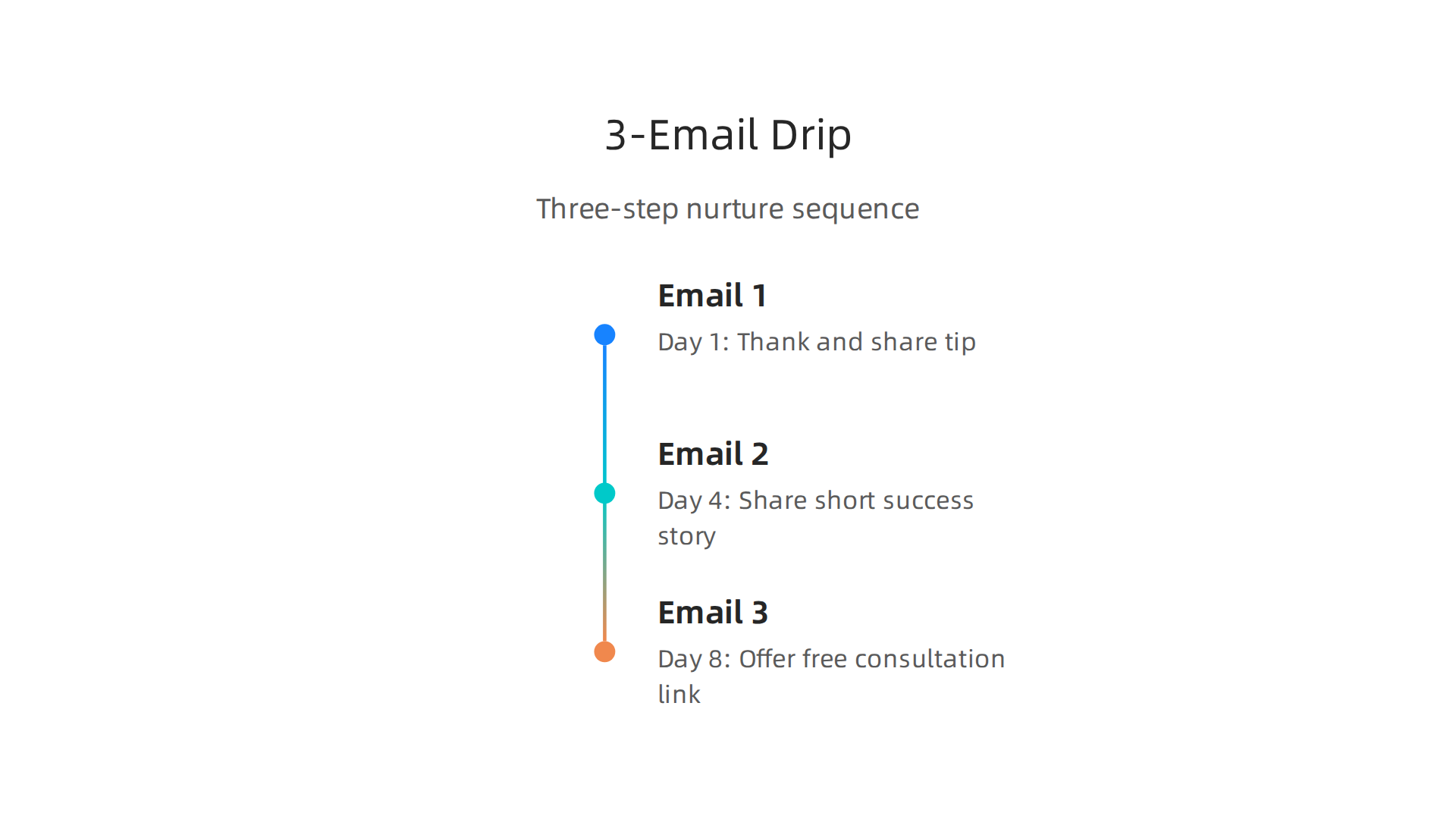
That is it. You have a working drip campaign. It runs on its own. And it keeps you top of mind with every lead.
Email automation is a powerful tool for web development of your entire sales process. It turns one-time contacts into long-term relationships. And it does all of this without adding extra work to your day.
Do not overthink it. Sign up for a free account this week. Build your first sequence. You will thank yourself later when the bookings start rolling in without you lifting a finger.
Tool #4: Lead Generation & Prospecting Tools
You have a solid email automation workflow in place from the last step. That is fantastic. But here is the hard truth. You cannot automate what you do not have. You need a steady flow of fresh, accurate leads to keep your pipeline full. Spending hours guessing email formats or calling disconnected numbers is a huge waste of time. That is why Tool #4 is so critical.
Lead generation and prospecting tools give you verified contact information instantly.

Platforms like Apollo, Lusha, and Hunter.io are considered some of the best lead generation tools that actually work in 2026. They pull data from millions of sources. They check if the email is valid. They give you the direct dial number. According to a detailed comparison on MarketBetter, these tools lead the pack in data accuracy and volume. This means you spend less time searching and more time connecting. These platforms are essential web development tools for anyone building a serious sales pipeline.
Having a list of contacts is step one. Knowing who is ready to buy is step two. This is where intent signals change the game. LinkedIn Sales Navigator helps you find decision-makers who match your ideal customer profile. You can target people by job title, company size, or even recent job changes. SimilarWeb shows you which companies are actively searching for solutions like yours. A 2026 report from Salesforce highlights the power of using intent data to prioritize your outreach. You stop chasing cold leads. You start talking to warm prospects. This is a smart tool for web development of your sales strategy.
Now combine your prospecting tools with your CRM. You find a lead in Apollo. You push them into your CRM with a click. Your email automation kicks in. The lead gets nurtured without you lifting a finger. This creates a seamless lead to appointment pipeline. The ZoomInfo blog explains that integrating these tools is the key to accelerating growth in 2026. Mastering these tools of web development will separate you from the average appointment setter.
Building a powerful lead generation stack does not have to be complex. Pick one tool for contact data. Pick one for intent signals. Connect them to your CRM. That is the system.
If you want to build a career where the leads come to you and the data is accurate, start with these platforms. They are the foundation of modern sales. And they will make your life much easier.
Tool #5: Analytics & Performance Tracking
You have built a lead generation machine. You have set up email automation. But here is the thing. How do you know which part of your system is actually working? That is where analytics come in.
Analytics tools show you the truth. They tell you exactly where your appointments come from. They reveal which landing pages convert. They show you which traffic sources give you the best return. Without this data, you are just guessing. And guessing costs you time and money.
Track the Right Numbers
Start with Google Analytics. This free platform shows you how people find your site, what they do when they get there, and where they drop off. You can see which channels send you the most visitors. Is it LinkedIn? Email? A blog post? Google Analytics answers that question. According to the Unbounce 2026 Conversion Benchmark Report, the median dedicated landing page converts at 4.02%. That number matters because it gives you a target. If your page is below that, you know something needs to change.
Next, use Hotjar. This tool goes deeper. It records user sessions and creates heatmaps. You watch real people click around your landing page. You see where they pause. You see where they get confused. Maybe your call-to-action button is too small. Maybe your form has too many fields. Hotjar shows you the exact friction points. Fix those, and your conversion rate goes up.
Then look at Calendly analytics. Calendly does more than schedule meetings. Its dashboard tracks booking conversion rates and show rates. A 2026 Calendar Scheduling Benchmarks Report found that the median booking conversion rate is 15.1%. That means out of every 100 people who land on your scheduling page, about 15 book a meeting. If yours is lower, you can test different calendar layouts, time slots, or reminder emails.
Connect the Dots
The real power comes when you connect these tools. You use Google Analytics to see that a specific LinkedIn post drove 500 visitors. Hotjar shows those visitors spent 30 seconds on your page but did not scroll. Calendly tells you only 2 people booked. That data says your LinkedIn post got attention, but your landing page failed to hold it. Now you know what to fix.
Tracking conversion rates from landing page visit to appointment confirms which tools actually work. According to industry benchmarks from the 2026 landing page conversion data, the average landing page conversion rate across most industries sits between 2% and 5%. But top performers exceed 10%. That gap is pure opportunity. The same report on appointment setting conversion rates shows that understanding contact-to-meeting rates helps you allocate your time better.
Stop Guessing, Start Growing
Data-driven decisions reduce overwhelm. When you know what works, you stop spreading yourself thin. You double down on the winning channels. You kill the losing ones. You spend your energy where it produces results.
These analytics platforms are essential web development tools for anyone serious about appointment setting. They give you the facts. They remove the noise.
Pick one analytics tool this week. Start with Google Analytics. Set up a simple dashboard that shows your top traffic sources and landing page conversion rates. Then build from there. That is how you take control of your pipeline.
Conclusion: Building Your Tech Stack for Success
Let us take a step back. You have explored five tools that solve the biggest headaches in appointment setting. Each one handles a specific pain point. Landing page builders make you look credible. CRMs keep everything organized. Email automation saves you hours every week. Prospecting tools fill your pipeline with the right people. And analytics show you exactly what works and what needs to change.
You might look at this list and feel overwhelmed. That is completely normal. You do not need to adopt everything at once.
Start with one tool. A landing page builder is often the best first step. It gives you a professional home base. Once you feel comfortable with that, add a CRM. Then try email automation. This gradual approach helps you build real skill. It also stops you from wasting money on tools you are not ready for.
Building your pipeline with the right web development tools shows prospects you are professional. It shows employers you are competent.

The sales tech market is valued at over $57 billion in 2026 and growing fast. Companies using these tools are seeing real results. For example, 41% of enterprise teams now use AI for outbound sales. Businesses that invest in sales automation pull ahead of those that do not.
You do not need to be a tech expert. You just need a smart strategy. Each tool for web development you add makes your pipeline stronger. Pick your first tool this week. Master it. Then add the next one. That is how you build a career in appointment setting.
Summary
This article guides appointment setters through the essential web development tools that make booking meetings easier, faster, and more professional without requiring coding skills. It explains why a simple personal landing page, a CRM, email automation, prospecting tools, and analytics matter for your daily workflow and career growth in 2026’s fast-evolving sales tech landscape. You’ll learn which specific platforms work well for beginners, how these tools integrate to form a seamless lead-to-meeting pipeline, and practical first steps — start with one tool and build gradually. The piece also covers concrete examples like Carrd or WordPress for pages, HubSpot or Pipedrive for CRMs, Mailchimp for drip campaigns, and Apollo or Hunter for prospecting, plus how to measure results with Google Analytics and Hotjar. After reading, you’ll be able to launch a landing page, connect it to a free CRM, create a three-email drip, capture verified leads, and track which channels actually generate booked appointments.