
The JCHS Website Connects You to Real Appointment Setter Jobs Without the Scams
· 21 min read

If you have spent even one day searching for appointment setter jobs, you already know the struggle. You type in a few keywords, hundreds of results pop up, and most of them look like scams or vague job postings that never explain what you will actually do. It is exhausting. You start wondering if there is a better way to find real, well paid opportunities without wasting hours filtering through garbage.
That is exactly why the JCHS website exists. It is not just another job board.
It is a dedicated marketplace built specifically for appointment setter roles. The whole platform focuses on one thing: connecting people like you with companies that actually need skilled appointment setters. No more guessing if a listing is legitimate. No more wading through irrelevant sales roles that expect you to cold call eight hours a day with zero training.
The JCHS website also tackles two big pain points head on. First, it helps you find legitimate opportunities. Second, it addresses the skill gap. A lot of people want to become appointment setters but feel they do not have the right experience or training. The platform includes resources and clear job descriptions so you know exactly what is expected. Whether you are coming from a chabot class web background or you have experience with a web washington style marketing team, the site helps you match your skills to the right opening. You might even find roles in unexpected industries like web restaurant booking or tech support using vencord web tools.
Here is the truth. The JCHS website is designed to accelerate your job search. In this guide, we will walk through every feature of the platform so you know exactly how to use it. From setting up your profile to applying for the best listings, you will get a clear, step by step plan. No fluff. No confusion. Just a practical way to land an appointment setter job that fits your goals.
Let us start by looking at what makes the JCHS website different from every other place you have looked.
What Is the JCHS Official Website? A Closer Look at the Platform
So you know the JCHS website is not your average job board. But what exactly makes it the JCHS official website? Let’s pull back the curtain and see how it actually works.
At its core, the JCHS platform has one clear mission: connect vetted appointment setter candidates with reputable companies that are ready to hire. No more guessing if a job posting is real. No more wondering if the company will ghost you after you apply. Every company listed on the JCHS website has gone through a screening process. They are serious about hiring skilled appointment setters.
Key Features That Set JCHS Apart
The JCHS website packs several tools into one place. Here is what you get when you join:
- Curated Job Board – Every listing is hand reviewed. You won’t find random sales rep roles or vague "customer service" posts. Only genuine appointment setter openings.
- Candidate Profiles – You build a profile that highlights your skills, experience, and preferences. Companies can find you instead of you having to hunt them down.
- Training Modules – Not sure if you have what it takes? JCHS offers training that covers the essentials: cold calling scripts, objection handling, CRM basics, and more. Perfect if you come from a chabot class web background or need a refresher.
- Community Resources – Connect with other appointment setters, share tips, and get advice. It’s like having a support team behind you.
How JCHS Differs from Generic Job Boards
Big job boards like Indeed or LinkedIn are great for many things. But they are not built for appointment setters. When you search for "appointment setter" on those sites, you get a messy mix of unrelated sales jobs, multi level marketing offers, and roles that require five years of experience.

The JCHS website flips that. Every role listed here is specifically for appointment setting. Companies know exactly what they are looking for. You know exactly what you are applying for.
Also, the remote work trend is not slowing down. In 2026, data from FlexJobs shows that remote job postings increased 20% compared to the previous quarter.
And Glassdoor reports the average remote appointment setter salary is over $62,000 per year. The JCHS platform helps you tap into this growing market with less hassle.
Real Roles in Unexpected Places
Maybe you think appointment setter jobs are only in tech sales or insurance. Not true. The JCHS website lists roles across many industries. You might find a position in web restaurant booking, helping restaurants fill reservations. Or a tech support role using vencord web tools to schedule demos. You could even work with a web washington style marketing team that relies on warm leads instead of cold calls. The point is, variety is built in.
Your Profile = Your Ticket
Once you sign up, the first step is creating your profile. This is not just a resume upload. You answer questions about your experience, your communication style, and the types of companies you want to work with. The platform then matches you with relevant openings. Companies can also browse profiles and reach out to you directly. It’s a two way street that saves time for everyone.
The JCHS official website is more than a job board. It’s a complete ecosystem for appointment setters. Whether you are new to the field or a seasoned pro, the platform gives you the tools, the connections, and the training to succeed.
Getting Started: How to Create a Winning Profile on JCHS
Now that you understand what the JCHS website offers, it’s time to take action. The first real step is building a profile that actually gets noticed. Your profile is your first impression. And in the appointment setting world, first impressions matter a lot.
The signup process on the JCHS website is simple. But a simple profile is not the same as a winning profile. Let me walk you through the exact steps to create one that stands out.
Step-by-Step Registration
Joining the JCHS platform takes just a few minutes. Here is how it works:
- Email Verification – You start by entering your email address. The platform sends you a confirmation link. Click it, and you are in.
- Personal Information – Next, you fill in your basic details. Your name, location, and preferred work hours. Companies want to know your time zone, especially when they are looking for remote talent.
- Profile Completion – This is where the magic happens. You do not just upload a resume. You build a full profile that tells your story.
The whole registration process takes about 10 minutes. But take your time. A rushed profile is easy to spot.
Essential Profile Elements
What should you include in your profile? Here are the must-have sections that employers look for on the JCHS official website:
- Work History – List your previous jobs, especially any sales or customer service roles. Even if you came from a chabot class web background or worked in a web restaurant setting, highlight the skills you gained. Any experience talking to people counts.
- Skills – Be specific. Do not just say "good communicator." List your actual abilities. Cold calling, lead qualification, objection handling, CRM tools, and follow-up strategies. These are the skills that hiring managers want to see, according to a guide from B2B Rocket.
- Certifications – If you have completed any sales training, customer service courses, or appointment setting programs, list them. This shows you are serious about the role.
- Availability – Be clear about when you can work. Full time, part time, mornings, evenings, weekends. Companies filter candidates by availability, so do not leave this blank.
Tips to Make Your Profile Stand Out
A complete profile is good. A standout profile is better. Here are three proven tips to get noticed on the JCHS website:
1. Use a Professional Photo
You do not need a studio headshot. A simple, clear photo with good lighting and a friendly smile works. Profiles with photos get way more views than those without. Keep it professional. No group shots, no sunglasses, no pets.
2. Write a Strong Summary
Your profile summary is your elevator pitch. Keep it short, under 100 words. Say who you are, what you do best, and what kind of role you want. For example: "Experienced appointment setter with 3 years in B2B sales. I specialize in warm lead follow-ups and CRM management. Looking for a remote role with a growing team."
This is your chance to grab attention fast. According to a guide from RAIN Group, having a clear and professional online presence is one of the 12 essential tips for success in appointment setting.
3. Add Portfolio Links
Do you have a LinkedIn profile, a personal website, or a portfolio of your work? Add links to your profile. This helps employers see more of your experience. If you have worked on projects using vencord web tools or collaborated with a web washington style agency, show those examples.
One More Thing
Your profile on the JCHS website is not something you set and forget. Update it regularly. Add new skills as you learn them. Change your availability if your schedule shifts. The more active your profile is, the more likely companies will find you.
In 2026, the job market moves fast. The Prospeo guide shows that appointment setters who keep their profiles fresh and up to date land roles faster. Do not let yours go stale.
Take the time to build a profile that truly represents you. The right company is out there. And with a winning profile on JCHS, they will find you.
Finding Legitimate Appointment Setter Jobs on JCHS Without the Scams
You have built a winning profile on the JCHS website. Now it is time to find the right job. But here is the thing. The appointment setting world has its share of scams. In fact, the Federal Trade Commission warns that fake appointment setter jobs are popping up on social media, promising big money from home with little effort. These scams are real.
The good news? JCHS works hard to keep its platform clean. Every employer and listing goes through a vetting process. The JCHS website checks company details, reviews job descriptions, and confirms that the businesses are real. That does not mean every listing is perfect. But it gives you a strong starting point.
Red Flags to Watch For Even on Curated Platforms
No platform is 100% scam proof. Some bad listings can slip through. So you need to keep your guard up. Here are the warning signs that a job on any site, including JCHS, might not be legitimate:
-
Unrealistic pay – If a listing says you can make thousands of dollars in your first week with no experience, be careful. Legitimate appointment setter roles pay fairly, but not overnight riches. According to Pipeful, unrealistic income promises are one of the biggest red flags in appointment setting jobs.
-
Upfront fees – A real employer never asks you to pay for training, software, or a starter kit. If a company wants money before you start, walk away. The WeWorkRemotely guide lists advance fee fraud as one of the most common remote job scams.
-
Vague job descriptions – If the listing is short on details, like "make calls and earn cash," that is a bad sign. A good job post tells you exactly what you will do, who you will call, and what tools you will use. According to Hire Autism, vague descriptions paired with unusually high pay are a classic scam warning.
-
Contact from unofficial domains – If the employer emails you from a @gmail.com or @yahoo.com address instead of a company domain, think twice. Legitimate businesses use their own email.
Use Advanced Search Filters to Find Quality Roles
The JCHS website has powerful search tools that help you skip the junk and find real opportunities. Do not just type "appointment setter" and scroll. Use the filters to narrow things down.
Start with the remote filter if you want a work from home role. Many appointment setter jobs are remote, but some are in office. Pick what fits your life.
Next, filter by experience level. If you are new to appointment setting, look for entry level or junior roles. If you have experience, like working at a web restaurant handling customer calls or completing training through a chabot class web program, filter for intermediate or senior roles that match your skills.
Then choose your industry. Appointment setters are needed in many fields. Real estate, healthcare, tech, and sales all hire setter. If you have background with a web washington style agency or used vencord web tools, pick industries where those skills matter. This helps you find jobs where you fit best.
The DailyRemote guide recommends using platform filters as a first defense against scams. It helps you avoid listings that do not match your criteria before you even open them.
Your profile on the JCHS website is ready. Now use the filters smartly, stay alert for red flags, and go after the jobs that are worth your time. The right opportunity is waiting.
Decoding Job Listings: What Appointment Setter Roles Really Require
You found a listing on the JCHS website. The title looks good. The pay seems fair. But then you read the requirements and feel confused. Words like "CRM proficiency" or "objection handling" can sound like a foreign language. Do not worry. Most job postings follow a simple pattern. Once you know what to look for, you can decode any listing in seconds.
The Anatomy of a JCHS Job Posting
Every good job listing on the JCHS website has four main parts. Let us walk through them.
Job title – This tells you the focus of the role. Some titles are clear like "Appointment Setter." Others get fancy like "Sales Development Representative" or "Lead Qualifier." They all mean roughly the same thing. You make calls, qualify leads, and book meetings for a sales team.
Responsibilities – This section lists what you will do every day. Look for words like "outbound calls," "lead research," "schedule appointments," or "update CRM." If the responsibilities are vague like "help the sales team," that is a red flag. A good listing tells you exactly what tasks you will handle.
Qualifications – Here is where many people get nervous. But do not let big words scare you. Let us break down the most common ones.
-
CRM proficiency – This means you can use customer relationship management software like HubSpot, Salesforce, or Zoho. You do not need to be an expert. You just need to know how to log calls, update contact info, and check your schedule. If you have used a tool like vencord web for managing communications, that experience translates well. You can learn a new CRM in a few days.
-
Objection handling – This is a fancy way of saying "you know how to respond when someone says no." It is a core skill for appointment setters.

According to B2B Rocket, top setters listen carefully, build rapport, and handle rejections without getting discouraged.
- Lead generation experience – Some listings ask for this. It means you have found and contacted potential customers before. If you have done cold calling, worked with a web restaurant and handled customer inquiries, or completed training through a chabot class web program, you already have lead gen experience. Highlight it in your application.
Benefits – This section tells you what you get. Health insurance, paid time off, remote work flexibility, and growth opportunities are good signs.
Understanding Pay Structures
Pay for appointment setter roles comes in three main forms. Knowing the difference helps you compare offers fairly.
-
Hourly pay – You earn a fixed amount for every hour you work. This is the safest option for beginners. Your income is predictable.
-
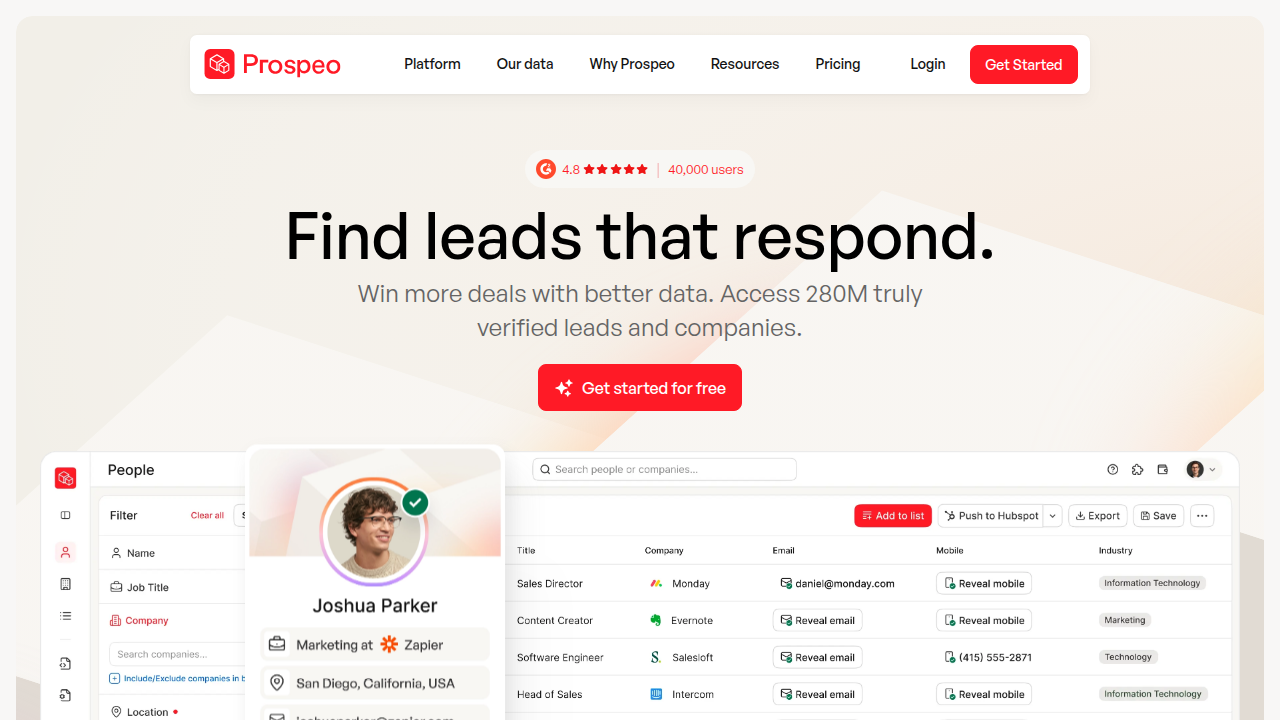
Commission only – You earn money only when you book appointments or close deals. This can pay very well, but it comes with risk. In 2026, many companies still use commission structures for setters. According to the Prospeo guide, commission roles can bring in more money for top performers but require strong skills and persistence.
- Base salary plus bonus – You earn a steady hourly or monthly rate, plus extra money when you hit goals. This is the most common structure for professional setters. It gives you stability while rewarding good performance.
Some listings will say "uncapped commission" or "OTE" (on-target earnings). OTE is the total you can earn if you hit all your targets. Ask what the average setter actually makes. That number is more real than the OTE.
Putting It All Together
When you see a listing on the JCHS website, look at the responsibilities and qualifications side by side. If the responsibilities are clear and the qualifications match skills you have or can learn, apply with confidence. If you have experience from a web washington sales role or have used vencord web tools, mention those in your resume. They prove you can handle the tech side of the job.
Now you know what the words mean. You can spot a well-written posting. And you can compare pay structures without guessing.
Leveraging JCHS Training Resources to Bridge Skill Gaps
So you have decoded the job listing. You understand the pay structure. But maybe you still feel a bit unsure about some of the skills they want. That is totally normal. The good news is you do not need to figure everything out on your own. The jchs website offers training resources that can help you close those gaps fast.
Think of these courses as your shortcut to confidence.

Instead of guessing what a CRM does or how to handle objections, you can learn it step by step. And the best part? Completing these courses makes you look more serious to employers.
What Training Modules Does JCHS Offer?
The jchs website organizes its training into clear, practical modules. Each one focuses on a skill that appointment setter roles actually need.
Communication skills – This module covers how to speak with prospects, handle rejection, and keep conversations moving. You practice real scenarios so you feel ready when you pick up the phone. Many beginners who have taken a chabot class web style course find this part especially helpful because it teaches conversation flow in a simple way.
CRM tools – Remember that "CRM proficiency" requirement from the job listing? This module teaches you exactly how to use platforms like HubSpot and Salesforce. You learn to log calls, update contacts, and track your progress. If you have ever used vencord web for managing communications, you already have a head start. This course just builds on that foundation.
Lead generation – This module shows you how to find and qualify potential customers. You learn to research companies, identify decision-makers, and know who is worth your time. If you have experience from a web restaurant or web washington sales role, you will pick this up quickly.
How Completing Courses Helps You Stand Out
Employers on the jchs website can see which courses you have finished. That is a huge advantage. When a hiring manager sees you have completed the CRM module, they know you can handle their system without extra training. It builds trust instantly.
According to the FTC consumer alert, many job scams use vague descriptions and avoid listing clear skills. Completing verified training shows employers you are real and serious. It separates you from people who just apply without preparation.
Your profile rank also improves. The more courses you finish, the higher your profile appears in search results. Employers are more likely to message you first.
External Resources for Continuous Learning
JCHS also recommends external learning tools to keep growing. Webinars from industry experts give you fresh strategies for lead generation and objection handling. Certifications from platforms like HubSpot Academy add credibility to your profile.
Just be careful. Some "training" offers out there are actually scams. The Pipeful guide warns that high upfront costs for training are a red flag. Stick with resources the jchs website links to directly. Those are vetted and safe.
Take advantage of free webinars and certifications. They cost nothing but add real value to your resume. In 2026, employers expect continuous learning. Showing that you invest in your own skills proves you are the kind of setter who sticks around and delivers results.
Putting It All Together
The training on the jchs website is designed to take you from unsure to prepared. You learn the exact skills job postings ask for. You build a profile that stands out. And you avoid wasting time on scams or outdated advice.
Start with one module this week. Pick the skill that scares you most. Complete it, update your profile, and watch how your opportunities grow.
Maximizing Your Chances: Strategies to Land Your Dream Role Through JCHS
You have built your skills with training modules. Now it is time to put that knowledge to work. Landing a great appointment setter role on the jchs website takes more than just a completed profile. You need a plan. Let us break down the three most important moves you can make.
Apply Often But Stay Smart
Consistency matters more than perfection. Employers on the jchs website notice when you stay active. Aim to send out applications regularly, but do not just spam the same generic message everywhere.
Instead, tailor each application to the specific job. Mention the skills you learned from a chabot class web style course or the CRM module. According to the Prospeo guide on appointment setters, employers in 2026 value candidates who show they understand the specific tools and routines of the role. A short, personal note beats a long, copied one every time.
Follow up after you apply. Wait two or three days, then send a polite message through the platform. The Readymode tips for appointment setting remind us that consistent follow-up separates serious candidates from the rest.

Keep it short, friendly, and focused on the value you bring.
Network Inside the JCHS Community
The jchs website is not just a job board. It is a community of employers and other appointment setter professionals. Use it that way.
Start by engaging with employers who post jobs. Ask thoughtful questions about their team culture or the tools they use. If you have experience from a web restaurant or web washington sales background, mention how those situations prepared you for remote work. Employers remember candidates who show genuine interest.
Connect with other setters too. Share tips, ask for feedback, and learn from their wins and mistakes. The soft skills that recruiters prioritize in 2026 include emotional intelligence and communication, according to the Hedy Holmes staffing report. Practicing those skills inside the community makes you better on calls.
You can also join group discussions or webinars hosted on the platform. The more visible you are, the more trust you build. And trust is what lands you that first interview.
Use Analytics and Feedback to Sharpen Your Approach
The jchs website gives you data on how your profile performs. Pay attention to it.
Check which job listings get the most views. See which skills employers search for most often. If your profile lacks a keyword like vencord web or CRM proficiency, add it. The data tells you exactly what to highlight.
Also look at feedback from employers. If someone passed on your application, ask why. Use that information to adjust your resume, your cover letter, or your training focus. In 2026, top employers look for candidates who are adaptable and willing to learn. The National Soft Skills Association lists critical thinking and problem-solving as key skills. Applying analytics to your own job search is a perfect example of that.
Set a weekly review of your activity. Take 15 minutes to look at your numbers and make one small change. Over a month, those small changes add up to a much stronger application strategy.
Keep Moving Forward
You have the training. You have the plan. Now put it into action. Apply consistently, network genuinely, and use the feedback the jchs website gives you. Your dream role is closer than you think.
Summary
This article is a practical guide to using the JCHS website—a dedicated marketplace for appointment setter roles that vets employers and focuses solely on matching qualified candidates with real openings. It explains the platform’s core features, including a curated job board, candidate profiles, training modules, and a community for support. You learn how to register and build a winning profile with specific tips on photos, summaries, skills, and portfolio links, plus how to keep your profile fresh. The guide shows how to spot red flags and use advanced search filters to avoid scams, and it breaks down common job listing language and pay structures so you can evaluate offers confidently. It also outlines the JCHS training modules for communication, CRM, and lead generation, and explains how completing courses boosts visibility. Finally, the article gives an actionable job-search plan—apply smartly, follow up, network inside the community, and use platform analytics to refine your approach so you can land the right appointment setter role.