
Sales Jobs Austin 2026 How to Find Legitimate Appointment Setter and HR Sales Roles
· 15 min read

Looking for sales jobs Austin in 2026? You are in the right place. Austin’s job market is one of the hottest in the country. In 2025, the city added 27,200 new jobs, growing by 2.0% and ranking as the No. 1 best performing job market among the top 50 US metros (source: Austin Luxury Group). That growth has carried into 2026, making it a great time to land a sales role here.
But here is the thing. Finding a legitimate, well-paying sales position is not always easy. Many job seekers get lost in confusing listings or realize they have skill gaps.

Others struggle to stand out when applying for remote roles or niche positions like HR and appointment setting. Whether you are searching for remote jobs NYC or hr jobs near me, the same problems pop up. How do you find real opportunities that fit your goals?
This article gives you data-driven insights and simple steps to navigate the Austin sales landscape in 2026. You will learn what skills matter, where to look, and how to avoid common mistakes. For more hands-on guides and training resources to help you find a legitimate appointment setter or sales support role, check out the Setters Talent blog. It is packed with advice to help you move forward today.
Why Austin Is a Hotspot for Sales Jobs in 2026
So what makes Austin stand out for sales jobs austin in 2026? It is not just one thing. A few big factors come together to make this city a magnet for sales talent.
First, the tech and startup scene here is still on fire. Austin added 27,200 new jobs in 2025, growing by 2.0% and landing the #1 spot for job growth among the top 50 US metros, according to Opportunity Austin. That momentum has carried into 2026. Companies in SaaS, healthcare tech, and business services are constantly hiring sales reps, account executives, and appointment setters. These aren’t just random roles. Many are specialized, like hr jobs near me in HR tech firms or niche positions in fintech and clean energy. If you have the skills, Austin wants you.
Second, remote-friendly companies headquartered here are creating tons of hybrid opportunities. According to Account Makers, about 45% of sales roles are fully remote, especially in tech and SaaS. And Austin-based firms like Indeed, Dell, and many startups are leaders in flexible work. The FlexJobs Remote Work Index for Q1 2026 shows that remote sales and business development roles grew by 40%. So even if you are browsing linkedin remote jobs, you will find plenty of leads based right here in Austin. And if you are also looking for remote jobs nyc, guess what? Many Austin companies hire nationally, so you can tap into that market too.
Third, the pay is better here. Austin’s cost of living is higher than some other cities, but wages for sales roles have kept up. Appointment setters in Austin often earn above the national median because competition for good talent is fierce. Companies want people who can handle lead generation, CRM management, and objection handling effectively, as described in the Workable appointment setter job description. Higher demand means better pay.
Austin in 2026 is a solid bet for anyone serious about sales. The ecosystem is alive, the remote options are real, and the money is there.
If you want to learn more about how to land these roles, including what skills to build and where to find the best leads, check out the Setters Talent blog. It is packed with guides and resources to help you move forward today.
Niche Sales Roles: Beyond the BDR Title – HR Sales and Appointment Setting
Most people think of sales jobs austin as just business development rep (BDR) or account executive roles. But in 2026, some of the best opportunities are in niche areas like HR sales and appointment setting.
These paths often pay better, grow faster, and let you specialize in something you actually care about.
HR sales: selling tools that hire people
HR sales is about selling human capital management (HCM) software, recruiting platforms, or benefits tools to other companies. Think of companies like Workday, BambooHR, or Indeed. These roles ask you to understand how HR teams work and then show how your product solves their pain points. Because the buyer is often a senior HR leader, you need a different skill set than a general sales rep. If you are looking for hr jobs near me, many of them are actually sales roles in disguise, and they come with better earning potential. The average appointment setter in Austin earns around $75,000 per year according to Glassdoor, but HR sales specialists can pull in significantly more as they move up.
Appointment setters: the unsung heroes
Appointment setters are the backbone of most sales teams. Their job is not just to cold call. According to Workable, an appointment setter schedules consultations between sales staff and prospective clients. That means lead generation, follow up, and CRM management. It is a focused role that directly impacts pipeline. In fact, GrowLeads reports that appointment setters achieve an 82.5% lead-to-opportunity conversion rate. That is massive. Yet many people think this is just a stepping stone. Actually, it can be a long-term career if you master the craft. And if you prefer remote work, you can find linkedin remote jobs that specifically hire appointment setters for Austin based companies.
Transitioning to a niche role
Moving from general sales into HR sales or appointment setting can speed up your career growth. You learn a specific industry, build deeper relationships, and become a go to expert. Companies value that. If you are ready to make the switch, check out the Setters Talent blog for guides on skills, resume tips, and job hunting strategies. It will help you find legitimate opportunities and build the confidence to land your next role.
Remote vs. Local: Which Path Fits You?
You have narrowed your search to niche roles like HR sales or appointment setting. Now comes a big question. Should you work remotely or find a local position in Austin?
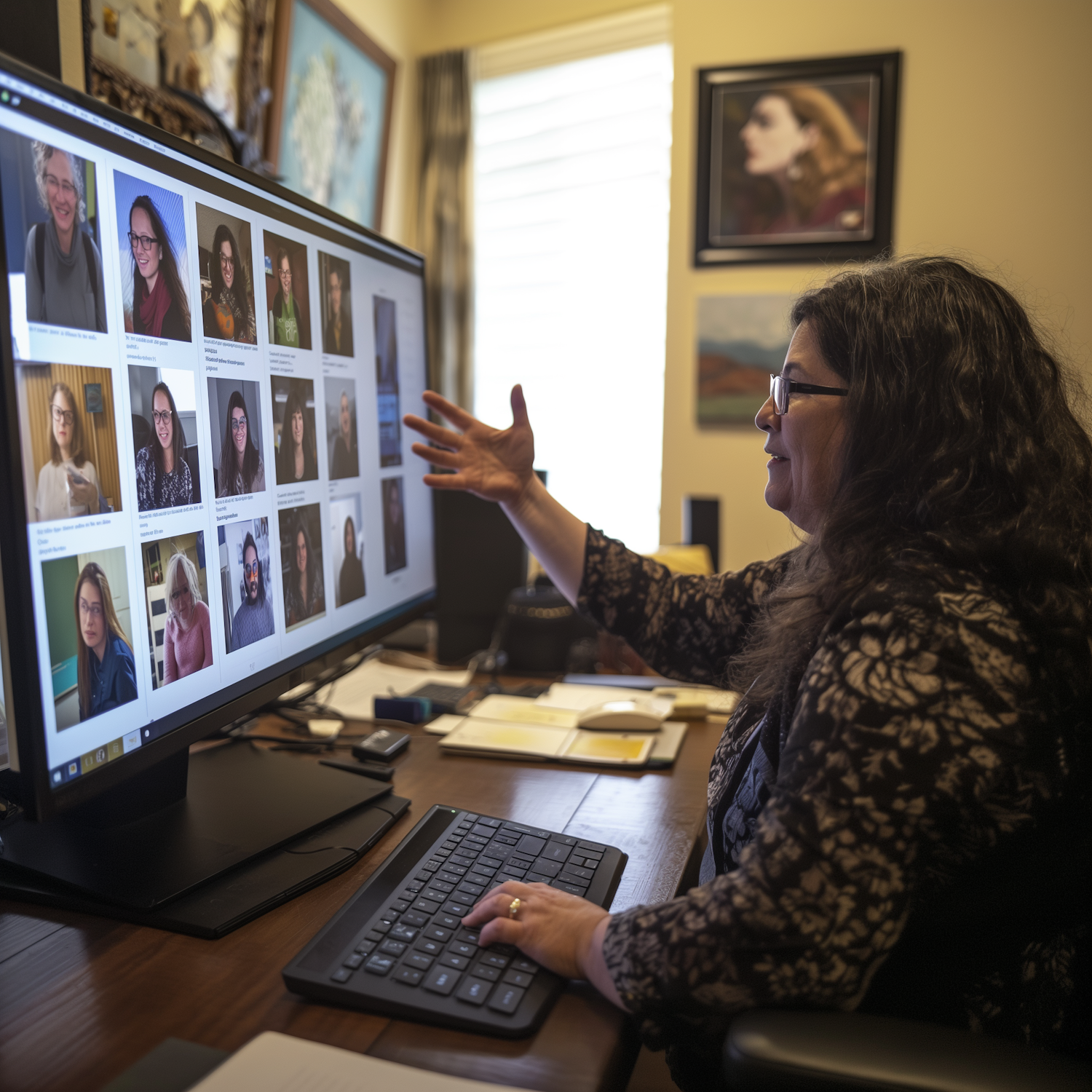
Both paths have strong points, and the right choice depends on your life, your goals, and your personality.
The case for remote work in 2026
Remote jobs give you freedom. You skip the commute, set your own schedule, and can apply for opportunities anywhere in the country. According to AccountMakers, about 45% of sales roles in areas like SaaS and technology are now fully remote. That means you can look beyond Austin for your next role. You might even find good remote jobs NYC companies have listed, without having to move there.
But remote work demands discipline. You need to manage your own time, stay motivated without a manager watching, and be comfortable with tech tools like CRM software and video calling. And you have to watch out for scams. The Federal Trade Commission and many career experts warn about fake job postings. If a role promises huge pay for simple work, it is probably a scam. Always check the company first.
Statistics from FlexJobs show that remote job postings grew by 20% over the last quarter of 2025. Sales and business development remote roles specifically jumped 40% in early 2026. So there are plenty of real opportunities.
The case for staying local in Austin
Working in an office in Austin has huge benefits too. You get face to face networking. You find mentors who can teach you the ropes of appointment setting or HR sales. You build relationships that often lead to better jobs later. If you are new to sales, the in person support can be priceless.
Local roles also give you structure. Many people thrive when they leave the house, go to an office, and separate work from home. And if you are searching for HR jobs near me, Austin has a booming tech scene with many HCM companies and recruiting firms. You can search for sales jobs austin on boards like LinkedIn remote jobs to find hybrid positions that mix office days with work from home.
The hybrid middle ground
The truth is, many companies do not ask you to choose one extreme. Gallup reports that 53% of remote capable workers are hybrid in 2026. That means you might go into an Austin office two or three days a week and work from home the rest. This blend gives you the networking and mentorship of local work plus the flexibility of remote. Robert Half found that 77% of new job postings are fully on site, but that still leaves 19% hybrid and 4% fully remote. The mix is shifting.
How to decide
Think about your own needs. Do you value flexibility above all? Can you stay focused at home? Then remote could be your path. Do you need structure and in person coaching? Look for a local or hybrid role. The best choice is the one that lets you succeed.
If you want more guidance on spotting good opportunities and avoiding scams, check out our blog. We share tips for evaluating remote roles, building skills, and finding legitimate sales jobs austin that match your style.
Bridging the Skill Gap: Training and Certifications That Make You Hireable
You have thought about remote vs. local, and you know which roles interest you most. But there is one more barrier to tackle. Many job seekers get stopped by a simple problem: they do not have the skills hiring managers look for. The gap in communication, CRM knowledge, and lead generation is the number one reason good candidates get passed over for sales jobs in Austin.
Here is the good news. You can fix this gap with the right training. In fact, employers in 2026 care more about what you can do than where you went to school. According to Randstad, the top sales skills for 2026 include CRM proficiency, active listening, and lead qualification.
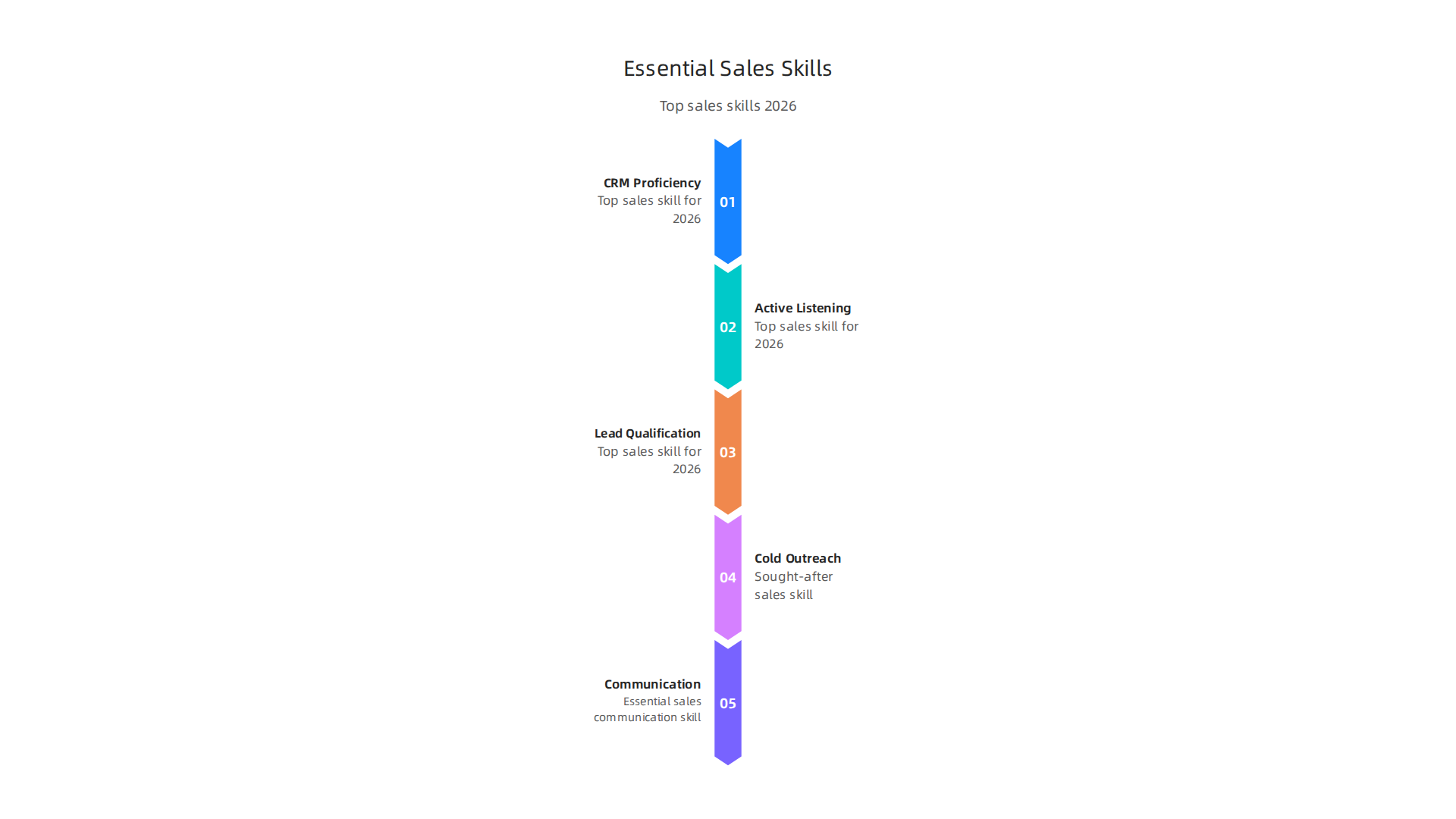
If you can prove you have these skills, you become a much stronger candidate for any appointment setter role.
Structured training works.
Sales bootcamps and CRM certifications give you a fast track. A structured program teaches you how to prospect, handle objections, and book meetings. The Prospeo guide on appointment setters shows that the job is about research, calling, emailing, and follow up. You can learn each of these steps through a certification from HubSpot, Salesforce, or a sales training platform. Even a short, focused course proves to employers that you are serious.
Free and low cost resources help too.
You do not need to spend a lot of money. There are free YouTube videos, blog posts, and templates that teach you the basics of appointment setting. For example, the SalesBread guide on setting sales appointments walks you through the entire process step by step. You can also find video tutorials on building lead lists and writing cold emails. If you are looking for remote jobs NYC companies offer, these same skills apply. The tools and techniques transfer across industries and locations.
Where to start.
Look for certifications that cover CRM basics, cold outreach, and communication. Many are free or under $100. Combine those with practice. Write sample emails, record yourself on a mock call, and ask a friend to role play with you. When you apply for linkedin remote jobs, you can list these skills and certifications on your profile. Hiring managers notice them.
If you want a deeper guide on the exact skills to build and where to find affordable training, check out our blog. We share step by step advice for beginners and career switchers who want to land real sales jobs austin.
Ready to build the skills that make you stand out? Read the Blog for more guides and resources.
What You Can Earn: Salary Benchmarks for Sales Support Roles
Now that you know what skills to build, let’s talk about the payoff. Money matters, and knowing what you can earn helps you choose the right path and negotiate with confidence.
Appointment setter salaries in Austin look solid in 2026.
Here is the thing. Salary data varies depending on who you ask, but the numbers all point to a livable income with room to grow. According to Glassdoor, the average total pay for an Appointment Setter in Austin sits around $75,570 per year.
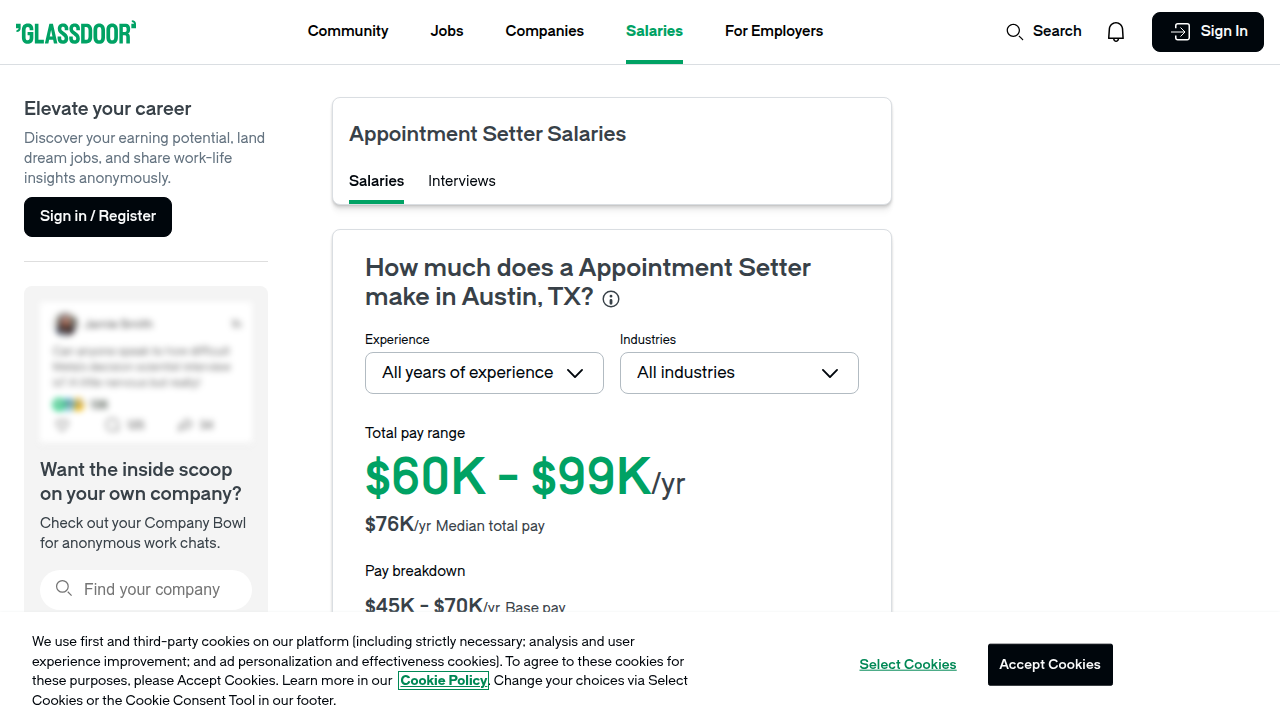
That number includes base pay plus commissions and tips. Meanwhile, PayScale reports an average hourly rate of $15.00 for the same role in Austin. Why the difference? Glassdoor includes variable pay like bonuses and commissions, while PayScale focuses on base hourly wages.
The takeaway is simple. Your total earnings depend on your base pay, your commission structure, and how many appointments you actually set. Some roles pay $600 to $1,200 per week based on performance, according to Indeed listings. If you work hard and hit your numbers, you can earn well above the national average of $45,000 to $46,400 per year for appointment setters across the United States. The opportunity in Austin is real.
HR and HCM sales roles pay even more.
If you move into sales development roles focused on human capital management or HR tech, your earning potential jumps significantly. Experienced SDRs in this niche can reach six figures when you combine base salary and commission. That is a major reason why job seekers with strong communication and CRM skills keep finding success in both sales jobs austin and remote jobs nyc markets. The skills transfer easily across industries.
Why salary transparency helps you.
Knowing these benchmarks gives you power. When a recruiter asks about your salary expectations, you can confidently reference real market data. You can also compare offers more effectively. For example, if you are looking at linkedin remote jobs, you now know that a $45,000 base with strong commission potential might be a better deal than a $50,000 base with no upside. Do your research before you negotiate.
Want a deeper breakdown of what top performers earn and how to structure your pay? Check out our resources at Setters Talent.
Red Flags to Avoid: How to Spot Legitimate Sales Job Opportunities
You found a job posting for a remote appointment setter. The pay is $100,000 a year, and you only need to make a few calls. Sounds amazing, right? Before you hit apply, slow down. That kind of offer is often too good to be true.
Scammers know that people looking for sales jobs austin or remote roles are eager to land a great opportunity. They take advantage of that hope.

According to Indeed, fake work-from-home job scams are common, and they often target people who are new to remote work.
Here are the biggest red flags to watch for.
Red Flag #1: Unrealistic Pay for Simple Work
If a listing promises high pay for very basic tasks like clicking buttons or forwarding emails, it is a major warning sign. The experts at DailyRemote call this a classic scam tactic. Legitimate appointment setter roles pay based on results, not for doing almost nothing.
Red Flag #2: Poor Grammar and Vague Job Descriptions
A real company invests care in how it presents itself. If the job posting is full of typos, bad grammar, or lacks details about the company or the role, be suspicious. Instant Teams points out that many grammatical errors in communications are a remote work red flag.
Red Flag #3: Requests for Money or Personal Info Upfront
No legitimate job will ask you to pay for training, a background check, or a software package. Scammers often ask for your bank details or Social Security number early in the process. The Remote Sales Institute warns that any request for advance fees is a reason to walk away.
Red Flag #4: The Interview Is Too Easy
If you get hired after a short text chat or a single phone call with no real questions, that is a problem. Real companies screen candidates thoroughly. Scammers want you inside quickly so they can take your money or identity.
How to Verify a Listing
You can protect yourself. Start by checking the company’s LinkedIn page. Does it look active with real employees? Read reviews on Glassdoor. Look for complaints about pay or scams. A quick search for the company name plus "scam" often reveals the truth.
You can also send a direct message to someone who works there and ask about the role. Legitimate companies do not hide.
Keep Your Search Safe
The market for sales jobs austin and linkedin remote jobs is full of great opportunities, but you must stay sharp. If a deal feels off, trust your gut. A real job will have clear details, realistic pay, and a professional process.
Want more tips on finding safe openings and building your skills? Check out our guides and resources at Setters Talent.
Summary
This article explains how to find and succeed in sales jobs in Austin in 2026, using recent job-growth data and market trends to show why the city is a strong market for sales talent. It covers high-demand roles—particularly HR sales and appointment setting—plus the growing mix of remote, hybrid, and local opportunities and how to choose the best path for your situation. You will learn which skills and certifications hiring managers care about (CRM, lead qualification, active listening), where to look for legitimate listings, and realistic salary benchmarks for appointment setters and HR-focused sellers. The guide also explains common red flags used by scams and gives practical checks to verify employers. By the end, readers will know what to train for, how to apply effectively, how to evaluate offers, and how to avoid fraudulent postings so they can land a solid sales role in Austin or remotely.