How to Get Online Work from Home Appointment Setting Jobs in 2026
· 20 min read

Introduction
Are you tired of staring at your screen, wondering how to land a real online work from home job that actually pays the bills?

You are not alone. Remote work has exploded in recent years. In fact, there are now three times more remote jobs compared to 2020. That is a huge shift. 11 Surprising Statistics on Remote Work for 2026
The key takeaway for 2026? Remote work is here to stay, especially in sales support roles. 100+ Hybrid and Remote Work Statistics and Trends in 2026 Appointment setting jobs are growing fast because companies need people who can connect with potential customers from home. These roles pay well and offer real flexibility.
But here is the thing. Many job seekers struggle to adapt to the unique demands of an online work from home environment. Staying motivated without coworkers around can be tough. Time management gets messy when your kitchen is three steps away. And sales support roles like appointment setting require specific skills that most general remote job advice simply ignores. The 2026 Remote Work Well-Being Survey found that while 69% of remote workers say their work life balance has improved, the rest still fight with isolation and blurry boundaries between work and home.
That is exactly why this guide exists. We created it for people like you who want to turn appointment setting into a stable, rewarding career. As of 2026, about 27% of full time employees worldwide work fully remote. Remote work statistics you need to know (2026) That means the competition is real, but so are the opportunities.
In the sections ahead, we break down actionable strategies backed by data. You will learn how to set up your home office, manage your time like a pro, and master the communication skills that make appointment setters stand out. Whether you are a beginner or a seasoned sales pro looking to switch to a remote setup, this guide will give you the roadmap.
Ready to build your career from home? Let us get started.
Designing Your Home Office for Peak Productivity
You landed your first appointment setter role. Great. But if you are working from your kitchen table with bad lighting and a laptop screen, you are going to struggle. Let me save you some pain.
Your physical workspace directly affects your focus, your energy, and even your long term health. According to OSHA guidance on workplace ergonomics, poor setup can lead to strain and repetitive injuries over time. That is not something you want when you are just starting your remote career. A small investment now can prevent big problems later.
So what does a productive home office actually look like in 2026? Let us break it down.
Start with ergonomics, not aesthetics
A cool looking desk means nothing if you cannot sit at it for four hours. The key is comfort and support. An ergonomic chair with proper lumbar support is your number one priority. Also, your monitor should be at eye level so you are not hunching. The team at Hinomi lists this as a must have for 2026. Your wrists should be straight when you type. Your feet should rest flat on the floor.
If you want a simple checklist, the KWESK guide shows exactly how to set monitor height, chair depth, and desk distance.
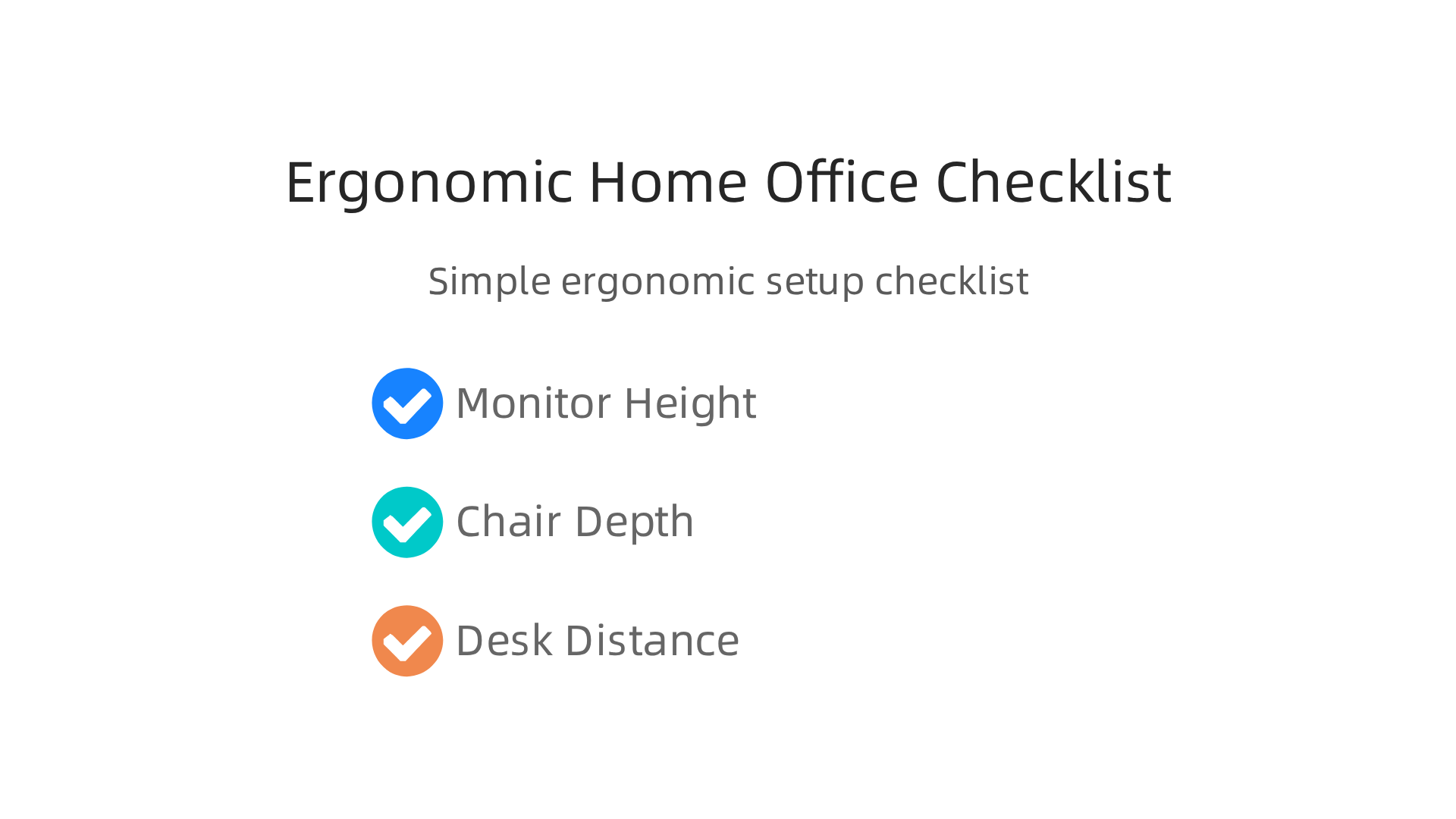
Follow it step by step.
Lighting and noise control matter more than you think
Appointment setting often involves video calls. Bad lighting makes you look unprofessional. And background noise distracts both you and the prospect. So get a desk lamp that points at your face, not behind you. Use a headset with noise cancellation, not your laptop speakers.
For internet, test your speed before you start. A dropped call during a sales pitch kills your credibility. You need a stable connection. If your Wi-Fi is spotty, run an ethernet cable. It is worth the hassle.
Small investments, big gains
You do not need to spend thousands. The DailyRemote home office guide suggests a proper ergonomic chair for $200-350 and a 24-27 inch external monitor for $120-200. That is a tiny price compared to the income you can earn in a solid remote appointment setting role.
Also, think about your environment. If you live with others, set clear boundaries. Let them know you are working. Treat your home office like a real office. When you are in that space, you are on the clock.
A quick note on B2B vs B2C
If you are doing B2B appointment setting, your clients expect a more polished appearance. That means a clean background, good lighting, and no distractions.

B2C roles are often more casual, but professionalism still helps. Either way, your home office signals to employers and prospects that you take your work seriously.
A strong home office is the foundation of a sustainable online work from home career. And unlike the early days of remote jobs, we now have plenty of data on what works. Use it.
Mastering Time Management and Avoiding Burnout
You have your home office set up. The chair is right. The monitor is at eye level. But none of that matters if you cannot manage your time.
Here is the truth. Remote sales roles can eat your whole day if you let them. You sit down to make calls. Before you know it, three hours have passed. You have skipped lunch and your energy is gone. That is how burnout starts.
Burnout is a real risk for remote workers. A 2026 survey found that 69% of remote workers say their work-life balance has improved, but that still leaves nearly one in three who struggle. Without a structured routine, it is easy to tip from productive to overwhelmed.
So how do you stay sharp without burning out?
Time blocking and the Pomodoro Technique
These two systems work especially well for appointment setters. Time blocking means you assign specific blocks of your day to specific tasks. For example, from 9 to 11 AM you make calls. From 11 to 12 PM you send follow up emails. No mixing. No multitasking.
The Pomodoro Technique takes it a step further. You work in focused 25-minute intervals, then take a five-minute break. After four rounds, you take a longer break. This keeps your brain fresh and prevents screen fatigue.
In a remote sales role, your ability to stay focused directly impacts your results. That is why time blocking is such a powerful tool for landing legitimate online work from home positions and keeping them.
Track your KPIs, not your hours
Another mistake new appointment setters make is measuring success by time spent. That leads to overwork. Instead, track your key performance indicators or KPIs. Metrics like calls made, conversations held, and appointments set tell you if you are actually moving forward.
When you focus on KPIs, you stop feeling guilty about taking a real break. You know what you have accomplished. You can clock out without stress.
Build breaks into your routine
Plan your breaks like you plan your calls. Step away from the screen. Stretch. Walk around. Do not eat lunch at your desk.

Your brain needs rest to stay sharp for the next call.
Many remote workers skip breaks because they feel pressure to keep working. That pressure actually lowers your performance over time. According to recent remote work data for 2026, about 22% of U.S. employees now work fully remote. That means more people competing for the same opportunities. The ones who manage their energy, not just their time, are the ones who last.
A structured schedule with built-in breaks is what separates a sustainable online work from home career from a short burnout cycle. Take control of your time now so your career lasts.
Choosing and Using the Right Remote Work Tools
Having good time management only gets you so far. You still need the right tools to do your job well. In any online work from home role, your tools are your lifeline. For appointment setters, three categories matter most.
The three tool categories you need
CRM systems track your leads, calls, and follow ups. Scheduling software lets prospects book meetings without back and forth emails. Communication platforms keep you connected with your team.
A Customer Relationship Management or CRM system is the backbone of your day. It stores everything about your leads. It reminds you who to call next. It tracks your progress. Examples like Salesforce and HubSpot are standard in many remote jobs today. You can see a full comparison of popular CRM software examples in 2026 to find one that fits.
Scheduling software takes the hassle out of booking meetings. Instead of playing email tag, you send a link. The prospect picks a time that works. The calendar updates automatically. Tools like Calendly and Acuity Scheduling are top choices. A detailed review of the best online appointment scheduling software for 2026 can help you decide.
Avoid tool overload
Here is the thing. You do not need every tool out there. New appointment setters often sign up for five or six platforms at once. That causes confusion, not efficiency. Pick a focused stack. A single CRM. One scheduling tool. One communication app like Slack or Teams.

That is enough.
Tool overload is a real problem. It slows you down and adds stress. Keep your stack simple so you can actually work.
Train before you dive in
Proper training on your tools makes a huge difference. Many people skip the tutorial and try to figure things out as they go. That leads to frustration and mistakes. Spend an hour learning your CRM. Watch a quick walkthrough of your scheduling software. Those small upfront investments save many hours later.
Understanding the difference between b2b vs b2c also matters when you choose tools. Some scheduling software works better for business clients who need longer meetings. Others are designed for individual consumers.
For small business ideas like starting your own appointment setting service, the same tools apply. Keep your stack lean. Learn it well. Then use it every day without thinking about it.
Entrepreneur examples show that the most successful remote workers rely on just two or three core tools. They do not chase shiny new apps. They master what they have.
Your tools should make your job easier, not harder. Pick wisely. Train properly. And you will be ready to book appointments without the technology getting in your way.
Staying Motivated and Combating Isolation
Here is the truth about online work from home. After the initial excitement fades, loneliness can creep in. You sit alone. You stare at your screen. Hours pass without talking to anyone. This is real, and it affects your motivation, your mood, and even your performance. A report from 2026 notes that remote work isolation takes a real toll on well-being and productivity source: RMC Group. But you do not have to suffer in silence.
Regular virtual check-ins help
Schedule short video calls with your team or a few colleagues. These do not have to be about work. A quick morning standup or a weekly catch up can make a big difference. Experts say video conferences and team chats help remote employees feel included in day to day company life source: Mitel. You can also join peer accountability groups. Find one or two other appointment setters, and check in daily. Share your goals. Ask each other for feedback. It keeps you honest and connected.
Make progress visible with gamification
Motivation drops when you cannot see how far you have come. That is where simple gamification helps. Track your calls, meetings booked, or leads contacted. Use a digital checklist or a simple spreadsheet. Give yourself a small reward when you hit a milestone. This turns your work into a game. It boosts intrinsic motivation because you can see your own growth.
Create social connection strategies
Social isolation in remote work is common, but you can fight it. Try these ideas:
- Virtual co-working sessions. Teams platforms like Slack or Zoom let you work together silently. You can see each other’s faces while you work.
- Virtual coffee breaks. Schedule a 15 minute chat with a teammate. No agenda. Just talk like you would at the office water cooler.
- Join an online community for people in similar roles. Many remote jobs groups exist on social media. One simple connection can change your whole day.
Regular communication and a digital support system reduce loneliness source: Vistatec. Employers also have a role to play. They can encourage connection and break down barriers that prevent social interaction source: Eddy.
Keep it simple
You do not need complicated systems. Start with one habit. A daily check in. A weekly coffee chat. A progress tracker. Small steps add up. And if you are thinking about small business ideas like starting your own remote appointment setting service, these same strategies apply. Successful entrepreneur examples show that they prioritize connection.
Isolation is not a sign of weakness. It is a sign that you are human. Take action. You will feel better, and your work will improve.
Building a High-Income Remote Career in Appointment Setting
Now that you have the tools to stay motivated and fight isolation, let’s talk about turning this online work from home role into a real career. Appointment setting is not just a way to pay the bills. It is a path to a high-income future. You can start as a junior setter and grow into a senior account executive. The key is knowing how to level up.

Clear career progression
The best part about appointment setting is the ladder. You do not start at the top. You begin by making calls and booking meetings. As you get better, you move up. Many remote jobs in this field offer uncapped commissions. That means your income can grow as fast as your skills. For example, you can find appointment setter roles with base pay plus uncapped commission where you earn more with every meeting set. Some companies even pay a base salary between $50,000 and $60,000 per year source. And the average pay for a remote appointment setter is already 26% higher than the national average source. That is real money.
Skill development drives higher pay
The more you learn, the more you earn. Communication, lead generation, and negotiation are the three skills that matter most. When you master these, you become valuable. You can handle cold calls, qualify leads, and close deals without a middleman. That is when companies promote you or offer you better roles. There are hundreds of flexible remote appointment setter jobs worldwide waiting for people with these skills. The difference between a $19 per hour job and a $50,000 salary comes down to how well you develop these abilities source.
Networking and personal branding
You cannot grow alone. Connect with other appointment setters and sales pros. Join online communities. Share your wins and lessons. When you build a personal brand as someone who knows their stuff, opportunities come to you. Many successful entrepreneur examples started as appointment setters and later built their own agencies. That is a classic small business ideas path: start as a setter, learn the ropes, then start your own service. Also, understand the difference between b2b vs b2c appointment setting. B2B roles often pay more because you talk to business owners and decision makers. Focus on that niche if you want higher income.
You already have the motivation. Now use it to build a career. The next step is putting these strategies into action every day.
Achieving Financial Stability as a Remote Appointment Setter
You have seen how appointment setting can lead to a high income. In the last section, we talked about career growth and uncapped commissions. But making good money and keeping it are two different things. Especially in a role where your pay can change from month to month. So how do you turn a great income into real financial stability?
Understand your pay structure first
The first step is knowing how you get paid. Many companies offer a base salary plus uncapped commission. For example, some remote jobs in this field pay a base salary between $50,000 and $60,000 per year source. That base covers your rent and food. The commission is where you build wealth. But not all roles are the same. Some offer only commission with no base. That is riskier.
This is why understanding b2b vs b2c appointment setting matters so much. B2B roles often pay higher commissions because you talk to business owners. The deals are bigger. When you look for jobs, always check if there is a base salary. A mix of base plus commission gives you the best stability.
Plan for taxes and slow months
Here is something many new setters miss. When you work this specific online work from home role, you are often a contractor. No one takes taxes out of your paycheck for you. You have to do it yourself.
The average pay for a remote appointment setter is already 26% higher than the national average source.
That is great news. But if you do not save for taxes, that extra money can disappear fast. A good rule is to set aside 30% of every commission check for taxes. You should also keep a savings buffer for slow months. Some months you will book many meetings. Other months will be quiet. Planning for this keeps you stable.
Build multiple income streams
The smartest way to stay financially safe is to have more than one way to earn. Your appointment setting skills are valuable. You can use them to start a side hustle.
Many entrepreneur examples started as appointment setters. They learned how to talk to leads and close deals. Then they took those skills and started their own coaching business or small agency. This is one of the best small business ideas in the remote world. You could offer lead generation services to local businesses. Or you could mentor new setters who want to learn the ropes.
When you have multiple income streams, you do not panic when one slows down. You just focus on the other one. That is real stability. Use the motivation from the previous section to build your career and your financial safety net at the same time.
Overcoming Common Remote Work Challenges and Overwhelm
You have learned how to make good money and build stability as an appointment setter. But here is the truth. Many people still struggle with the remote work part. You might feel like you are not good enough. That is impostor syndrome. Or maybe you get distracted by noise at home. And then there is the endless research rabbit hole. These are real hurdles. But you can beat them.
Impostor syndrome is normal
When you start in remote jobs, it is easy to feel like a fraud. You might think everyone else knows more than you. But the best appointment setters were beginners too. The way to get past this is simple. Use a structured learning path. Instead of jumping from one random article to another, follow a clear plan. Mentorship also helps a lot. Find someone who has done it before and learn from their experience.
Distractions kill your focus
Working from home sounds great until your laundry calls. The key is to treat your work like a real office. Use timeboxing to block out focused work periods. For example, schedule 90 minutes for calls and nothing else. Also, use tools that simplify your day. Many people rely on online appointment scheduling software to cut down on back-and-forth emails. The best ones let prospects book time directly without you needing to manage every slot.

That saves mental energy.
Stop drowning in information
Information overload is a thief. You spend hours reading about the perfect script or the best CRM. But you never actually take action. To prevent overwhelm, set a strict time limit for research. Maybe 15 minutes per day. Then go apply what you learned. Also, use curated resources from trusted experts instead of searching blindly. Check out this comparison of the best meeting schedulers for 2026 to see a quick, organized list. That is way better than clicking on ten different blog posts.
Remember, every remote worker faces these challenges. You are not alone. Use structure, set boundaries, and focus on taking action. That is how you turn overwhelm into confidence.
Protecting Your Privacy and Data When Working from Home
You have built focus and beaten overwhelm. Now let us talk about something just as important for your online work from home success. Keeping your data safe.
When you take calls or handle leads as an appointment setter, you deal with sensitive client info. Names, phone numbers, company details. A data breach can hurt your reputation and your income. The good news? A few simple habits can protect everything.
Use a VPN and secure Wi-Fi
Do not work from a coffee shop without protection. Public Wi-Fi is a goldmine for hackers. Always use a VPN on your work devices. It encrypts your traffic so no one can see what you are doing. Also, secure your home Wi-Fi with a strong password. Change it from the default one your router came with.
Get a password manager
You probably have dozens of logins for CRMs, email, and client portals. Using the same password for everything is dangerous. A password manager stores strong, unique passwords for each account. You only need to remember one master password. Many remote jobs require this level of security anyway.
Know your company policies
Every company has different rules. Some might forbid recording calls. Others require you to use specific software. Read your employee handbook or onboarding docs carefully. Understanding your obligations is not just good practice. It is often part of your contract.
Simple habits that prevent breaches
- Lock your screen every time you step away. Even for a minute.
- Update your software regularly. Those updates fix security holes.
- Do not share your work screen during calls unless you are sure no sensitive tabs are open.
These steps might feel small. But they build trust with clients and employers. Trust is everything in this field. If you want to review more tools that help you stay organized and secure, check out our tips on setting up a productive home office in 2026.
Protect your data. Protect your career. It is that simple.
Summary
This guide teaches you how to build a sustainable, high‑income career as a remote appointment setter by combining practical home‑office setup, time management, the right tools, and career planning. It explains why appointment setting is a strong remote role in 2026, then walks through ergonomics, lighting, and internet stability to keep you productive and healthy. You’ll learn proven routines—time blocking and Pomodoro—plus how to track KPIs instead of hours to prevent burnout. The article shows which core tools to use (CRM, scheduling, communication), how to stay connected to reduce isolation, and concrete steps to increase earnings and financial stability. It finishes with data‑safe habits so you protect clients and your reputation while growing your remote career.